Is Mexican Food Healthy? Unloading the Nutritional Benefits of Typical Components
The question of whether Mexican food is healthy and balanced invites an exploration of its standard components. Beans and corn function as fundamental staples, abundant in protein and fiber. Avocados provide beneficial fats, while numerous herbs and flavors include flavor and health and wellness benefits - happy hour. Together, these elements create a tapestry of nourishment. The healthfulness of Mexican food frequently depends on preparation techniques and part sizes. What duty do these elements play in identifying its total dietary worth?
The Power of Beans: Protein and Fiber-Rich Staples
Typically ignored, beans serve as a keystone of Mexican cuisine, using a wide range of nutritional benefits. Rich in protein, they are an exceptional plant-based choice for those looking for to fulfill their nutritional protein requires. This high healthy protein content sustains muscle mass repair and growth, making beans very useful for both vegetarians and meat-eaters alike. Additionally, beans are an outstanding resource of nutritional fiber, which helps in digestion and promotes a feeling of volume, possibly assisting with weight monitoring.
The variety of beans made use of in Mexican recipes, such as black beans, pinto beans, and kidney beans, contributes to a varied flavor profile and can boost meals nutritionally. In addition, beans are low in fat and include essential nutrients, consisting of iron, magnesium, and folate. With each other, these qualities make beans an essential active ingredient, delivering both nutrients and nutrition in typical Mexican price.

Corn: a Versatile Grain With Nutritional Perks
Corn attracts attention as a versatile grain essential to Mexican cuisine, commemorated not just for its culinary applications yet additionally for its outstanding nutritional account. As a key active ingredient in meals like tortillas, tamales, and pozole, corn offers necessary nutrients that contribute to a well balanced diet plan. Rich in carbohydrates, it functions as a considerable power resource, while additionally being low in fat, making it a positive option for numerous nutritional requirements.
Corn is an excellent resource of nutritional fiber, which aids in digestion and promotes satiety. It contains significant quantities of vitamins such as B-complex vitamins, which are vital for power metabolism. The existence of anti-oxidants, especially carotenoids, contributes to general health and wellness by lowering oxidative stress. In addition, corn is gluten-free, catering to those with gluten sensitivities. Generally, the dietary advantages of corn emphasize its relevance in typical Mexican food and its role in a healthy diet plan.
Avocados: Healthy Fats and Nutrients in Every Bite
Avocados play a considerable function in Mexican cuisine, matching dishes with their luscious appearance and abundant taste. Beyond their cooking charm, avocados are celebrated for their impressive dietary account. They are an abundant resource of healthy monounsaturated fats, which can help lower negative cholesterol levels and support heart health and wellness. Furthermore, avocados are packed with important minerals and vitamins, including potassium, vitamin E, and B vitamins, adding to total wellness.
The high fiber material in avocados help food digestion and promotes satiation, making them a useful addition to any kind of dish. Their one-of-a-kind nutrient structure can likewise support skin health and give anti-inflammatory benefits. Integrating avocados into standard Mexican meals or appreciating them as a standalone treat can improve both flavor and nourishment, demonstrating why they are a beloved staple in Mexican food. Overall, avocados use a tasty way to delight in healthy fats and vital nutrients in every bite.
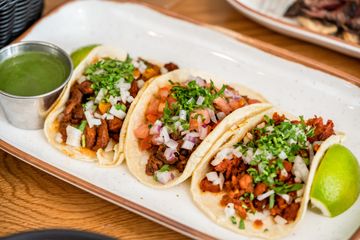
Flavors and Herbs: Flavorful Health Boosters
While taking pleasure in the abundant flavors of Mexican cuisine, one can not overlook the important duty that spices and natural herbs play in boosting both preference and health. Components such as chili, oregano, and cilantro peppers not only add to the lively taste account but additionally supply substantial health benefits. For instance, cilantro is understood for its detoxifying homes, helping to eliminate heavy steels from the body, while oregano is packed with antioxidants and has anti-inflammatory impacts.
Chili peppers, a staple in numerous Mexican meals, contain capsaicin, which has actually been connected to improved metabolic process and discomfort alleviation. Furthermore, seasonings like cumin and coriander support food digestion and might assist in blood sugar law. Integrating these delicious health and wellness boosters into dishes not el rincon just enhances the cooking experience yet additionally promotes overall well-being, making Mexican cuisine not just delicious, yet also nutritionally helpful.
Standard Food Preparation Methods: Enhancing Nourishment and Taste
Traditional cooking methods in Mexican food play an important role in boosting both nutrition and taste, as they often prioritize fresh components and time-honored strategies. Methods such as nixtamalization, where corn is soaked and prepared in an alkaline option, not just improve the nutrient profile of tortillas but likewise boost their digestibility - lunch and dinner. In addition, making use of slow food preparation techniques, like cooking or braising, permits tastes to meld beautifully while retaining the integrity of the ingredients
Often Asked Concerns
Are Mexican Food Portions Normally Larger Than Other Cuisines?
Mexican food portions are usually larger than those of several other cuisines. This characteristic mirrors standard dining practices, emphasizing common sharing and hearty meals, which can cause a much more considerable offering size on the whole.
Just how Does the Preparation Approach Affect Healthiness of Mexican Food?
Prep work techniques significantly influence the healthfulness of Mexican food. Techniques such as barbecuing or steaming maintain nutrients, while frying can enhance unhealthy fat material. Choices of active ingredients and cooking styles inevitably figure out overall dietary value.
Can Mexican Food Be Tailored for Details Nutritional Restrictions?
Mexican food can undoubtedly be customized for specific nutritional constraints. Substitutions, such as using corn tortillas for gluten-free diet regimens or including more veggies, enable individuals to appreciate typical tastes while suiting different dietary demands.
What Prevail Mistaken Beliefs About Mexican Food and Health?
Usual misconceptions about Mexican food include the idea that it is inherently harmful, overly zesty, and exclusively concentrated on fats. Actually, standard dishes commonly include nutritious components and can be customized to different nutritional requirements.
Are There Healthier Choices at Mexican Restaurants?
Healthier choices at Mexican dining establishments often include smoked meats, beans, and fresh vegetables. Choosing meals that emphasize entire active ingredients and avoiding hefty sauces can bring about a much more nourishing eating experience, promoting general well-being.
The selection of beans made use of in Mexican dishes, such as black beans, pinto beans, and kidney beans, adds to a diverse flavor account and can boost dishes nutritionally. Avocados play a considerable function in Mexican food, straight from the source complementing recipes with their luscious structure and abundant taste. Incorporating avocados into traditional Mexican meals or appreciating them as a standalone snack can enhance both flavor and nutrition, showing why they are a precious staple in Mexican food. While enjoying the abundant flavors of Mexican cuisine, one can not overlook the important function that spices and herbs play in enhancing both taste and health. Typical food preparation approaches in Mexican cuisine play a crucial role in enhancing both nourishment and flavor, as they frequently prioritize fresh active ingredients and classic strategies.
Comments on “Enjoy fast take out and delivery options for your next Mexican meal”